
When the temperature drops and the frost begins to settle, we spend a lot of time winterizing our cars and our wardrobes. However, your water softener - a vital piece of home infrastructure - is often overlooked until a problem arises.
While these systems are typically tucked away indoors, the plummeting Canadian temperatures can still throw a wrench into their performance.
In this guide, we’ll explore the chilling effects of winter on your water softening system and how you can keep your water soft and your pipes protected until spring.
Click on the links below to learn more.
At WaterSmart, we believe that proactive maintenance is the best way to extend the life of your appliances. Contact us for help with your water softener system.
Key Takeaways
Expansion Causes Ruptures: Frozen water is powerful enough to crack fiberglass tanks; never let the environment drop below freezing.
Salt Bridges Stall Softening: Temperature fluctuations cause salt to crust over, which stops the softening process entirely.
Watch the Discharge: Ensure your drain line isn't terminating in a spot where ice or snow can block the flow.
Insulation is Insurance: A few dollars in foam insulation can save thousands of dollars in potential flood damage and equipment replacement.
1. The Freezing Point: Why Cold is the Enemy
Water softeners are precision instruments that rely on a delicate balance of hydraulic pressure and chemical exchange.
Most units are installed in basements, which generally stay above freezing; however, if your unit is located in a garage, a crawlspace, or near a drafty exterior wall, you are in the "danger zone."
When water freezes, it undergoes a physical expansion that exerts immense pressure on its container. If the water inside your control valve or the resin tank turns to ice, it can cause the heavy-duty plastic components to crack or the fiberglass tank to burst.
This isn't just a minor leak - it’s a catastrophic failure that usually requires a full system replacement.

2. Common Winter Issues for Softeners
Even if your unit doesn't freeze solid, the cold can impact its efficiency in subtle ways that affect your home's water quality:
Salt Bridging: High humidity followed by a cold snap can cause a hard crust (a "bridge") to form in the brine tank. This prevents the salt from dissolving into the water, meaning your system "regenerates" with plain water, leaving you with the itchy skin and spotted dishes associated with hard water.
Stiffened Seals and O-Rings: Cold air can make the rubber components inside the control valve brittle. When these seals lose their flexibility, they fail to create a watertight seat, leading to small, persistent drips that can eventually cause water damage.
Drain Line Blockages: The line that carries wastewater away during a regeneration cycle often runs to a floor drain or outside. If the end of this line freezes or becomes blocked by snow, the backpressure can flood your softener or prevent it from cleaning itself properly.
3. Proactive Winter Maintenance Tips
Keeping your WaterSmart water softener system running smoothly doesn't require a plumbing degree, just a bit of seasonal vigilance. To ensure your system survives the winter, follow these expert-recommended steps:
Insulate Exposed Pipes: Apply foam pipe insulation to the leading and exiting water lines to prevent localized freezing.
Maintain Salt Levels: Keep your brine tank at least half full. Salt acts as a natural antifreeze, slightly lowering the freezing temperature of the brine solution compared to fresh water.
Manual Bridge Checks: Every month, use a broom handle to gently poke the salt in your brine tank. If you feel a hard layer that doesn't budge, you’ve found a bridge that needs to be broken up.
Seal Exterior Drafts: Inspect the area around your softener for "cold spots." If you feel a breeze coming through a window or vent, seal it with weatherstripping to prevent a pocket of freezing air from sitting against the unit.
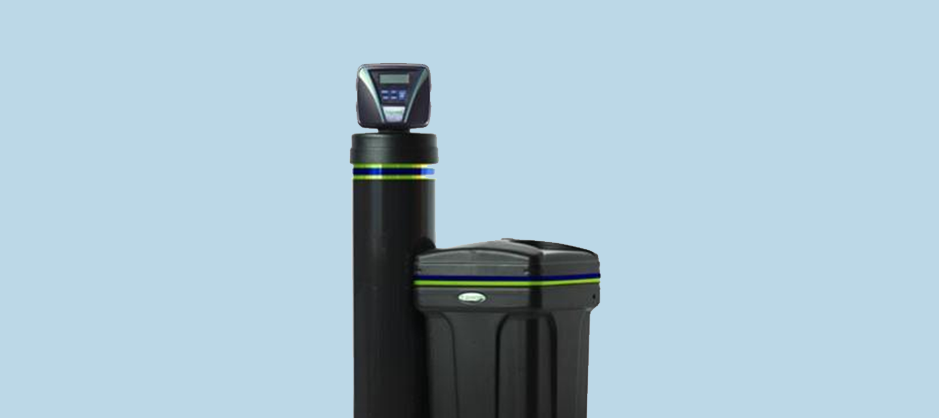
4. Special Considerations for Unheated Spaces
If your softener is located in a garage or an unheated cottage, standard maintenance isn't enough. You must choose between heating the environment or fully decommissioning the unit for the season.
A small, thermostatically controlled space heater can keep the area just above 5 degrees Celsius, which is sufficient to protect the resin and the valve.
If you are leaving a property vacant, however, you must bypass the unit, disconnect it, and drain the water from the tanks entirely.
Note that while the standing water must be gone, the resin beads inside must remain moist to stay effective for the following year.
How Cold Weather Affects Your Water Softener: Summary Table
To help you quickly diagnose and prevent seasonal issues, we have summarized the most common cold-weather challenges, their physical risks to your plumbing, and the expert-recommended solutions in the reference table below.
| Winter Challenge | The Risk | The Solution |
|---|---|---|
| Freezing Pipes | Expansion can crack the resin tank or control valve. | Insulate exposed pipes and seal basement drafts. |
| Salt Bridging | A hard crust prevents salt from dissolving into brine. | Check salt levels monthly; break crust with a broom handle. |
| Brittle Seals | Cold air makes O-rings stiff, causing slow leaks. | Maintain a room temperature above 5°C (41°F). |
| Blocked Drain | Frozen discharge lines cause backup and flooding. | Ensure the drain line is clear of snow and ice buildup. |
Don’t Let a Cold Snap Freeze Your Home’s Comfort!
Winter in Canada is hard enough - don't let a cracked water softener tank add to the stress. Whether you need a seasonal tune-up, help breaking a salt bridge, or advice on winterizing your unit for the cottage, the experts at WaterSmart are here to help. We’ve been keeping local water flowing clearly for over 30 years.
“Matt the technician from Watersmart did the installation solo. He cleaned up the old plumbing and did a great job. He was on time and explained all the details to us when he finished up.
Huge bonus that they take away all the old equipment.
Now its time to see how everything works. Definitely 5 stars!”