Top 5 Reasons to Install a Water Softener Waterloo

If you live in Waterloo, you already know our municipal water supply is one of the hardest in Ontario — often measuring between 20–25 grains per gallon (gpg). While these minerals aren’t dangerous to drink, they can cause serious issues for your home and health over time.

That’s why installing a water softener that Waterloo homeowners can rely on is one of the smartest choices you can make.

Waterloo Hard Water vs. Soft Water Benefits
Hard Water Problem Impact on Your Home With a Water Softener
Scale buildup in appliances Reduced efficiency and early breakdowns Appliances last years longer
High energy bills Heating elements work harder Lower monthly utilities
Clogged plumbing Reduced water pressure Pipes stay clear and flowing
Dry skin & hair Irritation and dullness Softer skin and shinier hair
Dingy laundry & spotted dishes More detergent needed Brighter laundry and spotless glassware

Click on the links below to learn more:

  1. Protect Your Appliances from Scale Buildup

  2. Save Money on Energy and Repairs

  3. Extend the Life of Your Plumbing

  4. Improve Skin and Hair Health

  5. Keep Laundry and Dishes Looking Their Best

Whether you’re dealing with hard water buildup, want cleaner drinking water, or need expert plumbing you can rely on, WaterSmart has you covered. Contact us today to get started.


1. Protect Your Appliances from Scale Buildup

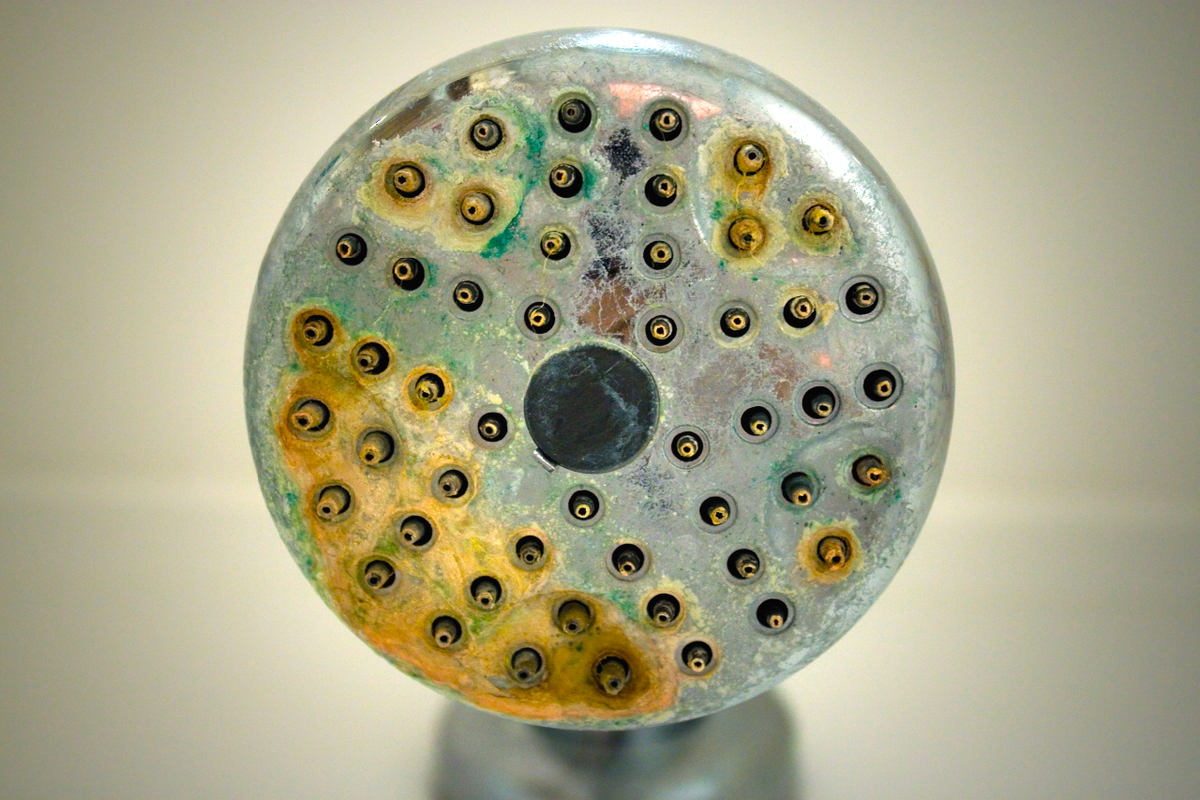
Water in Waterloo contains high levels of calcium and magnesium. When heated or agitated, these minerals separate from the water and stick to surfaces, forming scale buildup inside your appliances. This affects everything from your dishwasher and washing machine to coffee makers and, especially, your hot water heater.

Scale buildup acts like insulation on heating elements, forcing appliances to work harder and wear out sooner. Over time, this can lead to costly repairs or even full replacements years earlier than necessary.

By installing a water softener, Waterloo homes benefit from ensuring these minerals are removed before they ever reach your appliances. This means fewer breakdowns, greater efficiency, and a longer lifespan for your household equipment.

2. Save Money on Energy and Repairs
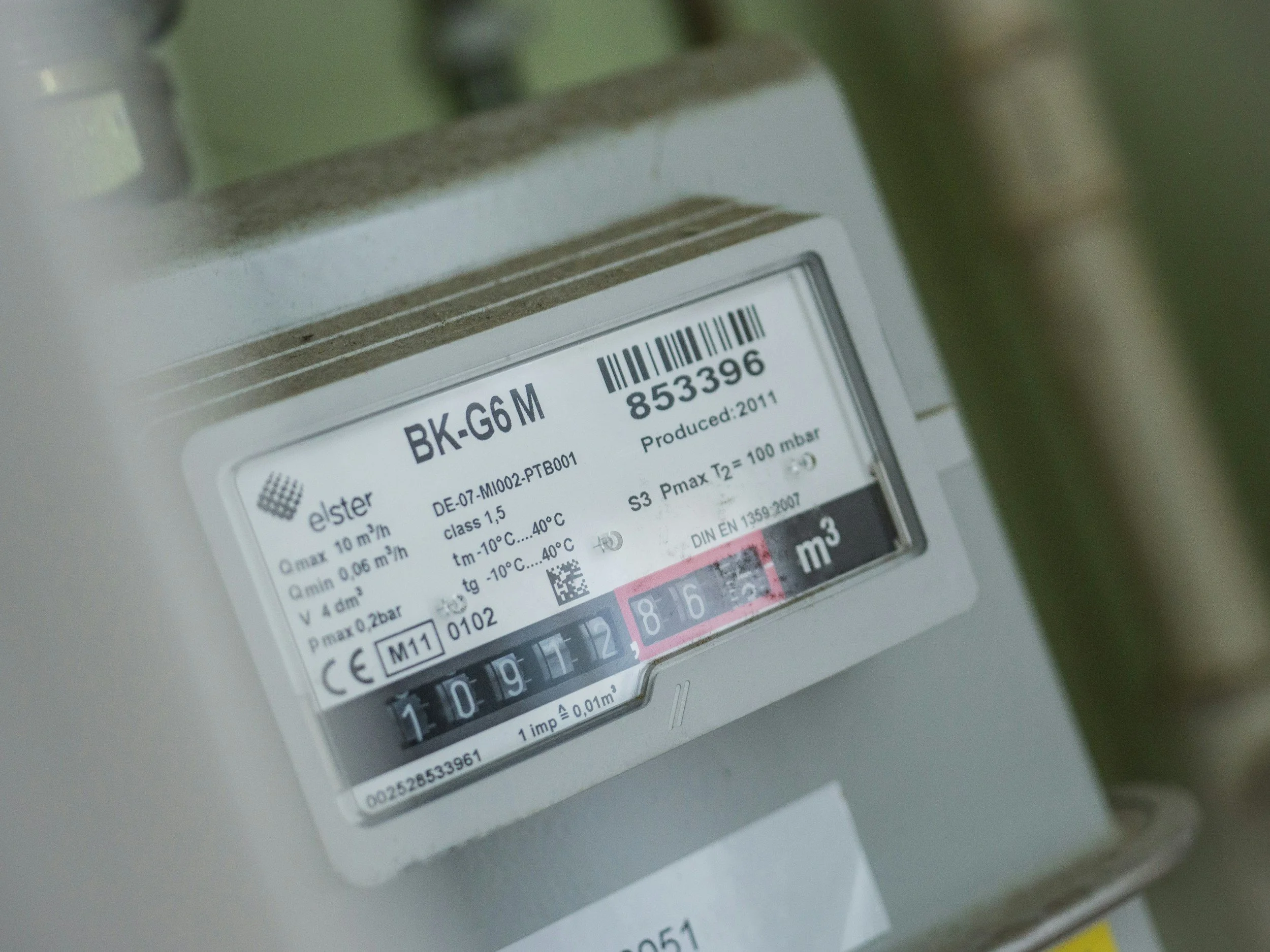
Scale doesn’t just damage appliances — it also drives up your energy bills. When heating elements are coated in mineral deposits, they must work harder to heat the same amount of water, wasting both energy and money.

The same is true for any appliance with moving parts or water lines; they all suffer under the strain of hard water.

With a water softener Waterloo residents trust, your appliances operate at peak efficiency, keeping utility bills lower and reducing the frequency of costly service calls.

In fact, homeowners in Waterloo often find they save hundreds of dollars each year in reduced energy use and maintenance costs alone. Over the lifespan of the system, these savings can more than cover the cost of installation.

3. Extend the Life of Your Plumbing

Hard water doesn’t just affect visible surfaces — it can damage the hidden infrastructure of your home.

Mineral deposits collect inside your pipes, gradually narrowing the interior diameter and reducing water pressure. This not only impacts your showers and faucets but can also put additional stress on your plumbing system, leading to leaks, blockages, or complete pipe replacement.

For older homes in Waterloo, the risk is even greater, as older pipes are more susceptible to buildup.

By installing a water softener Waterloo homeowners can preserve their plumbing’s condition, maintain consistent water pressure, and avoid expensive and disruptive repairs. It’s a preventative measure that pays off significantly over time.

4. Improve Skin and Hair Health

Many people in Waterloo notice that hard water leaves their skin feeling dry and itchy, and their hair dull and difficult to manage.

That’s because minerals in hard water interact with soap and shampoo, creating a residue that clogs pores and strips away natural moisture. For those with sensitive skin or conditions like eczema, psoriasis, or dandruff, hard water can worsen symptoms.

A water softener Waterloo families install can transform the way showers feel and the way skin and hair respond. With softened water, soaps and shampoos lather better and rinse away more completely, leaving skin softer and hair smoother.

Over time, you may find you use less shampoo, conditioner, and moisturizer, which saves money and reduces exposure to unnecessary products.

5. Keep Laundry and Dishes Looking Their Best

Hard water affects cleaning performance in ways many homeowners don’t realize until they make the switch to soft water.

Laundry washed in hard water can feel stiff and look faded much faster, while dishes and glassware often emerge from the dishwasher with cloudy spots and streaks that are actually hardened mineral deposits.

Installing a water softener in Waterloo households relies on removing these minerals, resulting in brighter, softer laundry and spotless dishes. You’ll notice your fabrics last longer, retain their colour better, and require less detergent to get clean.

Likewise, your dishwashing results will improve without the need for extra rinse cycles or specialized cleaning products.
 

Get a Water Softener Waterloo Homeowners Love

If you’re ready to enjoy cleaner, softer water and reliable local service, our team is here for you.

Whether you’re installing a new system, upgrading an older unit, or simply looking for expert advice, we’ll guide you to the right Water Softener Waterloo families trust for long-term results.

Thank you for choosing WaterSmart. We look forward to providing your household with the same care, attention, and quality we’d give our own families.


Amazing service, install completed professionally and quickly. Overall great team to work with. I had a WaterSmart softener in my previous home and loved it, after moving found the current system was not performing as expected, so I reached out to buy another WaterSmart system. Thanks guys!!
— Kevin Corbett
 

Why WaterSmart Waterloo Is the Trusted Choice for Home Water Solutions

At WaterSmart Waterloo, we’ve been proudly serving the Kitchener-Waterloo community for over 30 years.

When it comes to treating your home's water, we know what works—and just as importantly, we know what doesn’t. That’s why thousands of homeowners across the region trust us for water softeners, filtration systems, and full-service plumbing that’s tailored to Waterloo’s unique water conditions.

Click below to learn more:

Whether you’re dealing with hard water buildup, want cleaner drinking water, or need expert plumbing you can rely on, WaterSmart has you covered. Contact us today to get started.


1. Locally Owned. Locally Tuned.

At WaterSmart Systems & Plumbing, we’re more than just a service provider—we’re your neighbours. As a locally owned and operated company, we’ve been part of the Region of Waterloo community for over three decades.

We know the area, we know the people, and most importantly, we know the water.

Water in Waterloo Region is some of the hardest in Ontario, and it varies depending on your exact location—whether you're in Kitchener, Waterloo, Cambridge, or one of the surrounding townships.

Unlike generic systems sold by national chains, our softeners and filtration systems are calibrated specifically to local conditions, ensuring optimal performance and efficiency.

When we install a softener, it’s not just a “plug-and-play” job. We take the time to:

  • Test your water hardness

  • Understand your household’s water usage

  • Recommend a system that’s tailored to your specific needs

  • Program and fine-tune the unit for maximum efficiency and longevity

And because we’re local, we’re always close by if you need maintenance, support, or just want to ask a question. You’re not calling a 1-800 number or waiting weeks for parts—we’re here when you need us.

We also stay up to date on local regulations, rebate programs, and environmental goals, helping you make smart, sustainable choices that align with Waterloo Region’s best practices.

In short, when you choose WaterSmart, you're choosing a team that lives and works where you do—and who truly cares about the quality of your water and the comfort of your home.

2. What Watersmart waterloo Offers

At WaterSmart Waterloo, we’re your one-stop shop for complete home water solutions.

Whether you’re dealing with stubborn hard water, looking to upgrade your drinking water system, or need expert plumbing assistance, our experienced team is here to help, from consultation to installation and beyond.

We believe in doing things the right way—no shortcuts, no one-size-fits-all recommendations. Here's a deeper look at the services we proudly offer:

Water Softeners That Work for Waterloo

Hard water is one of the most common—and frustrating—issues for Waterloo Region homeowners. Left untreated, it can cause:

  • Scale buildup in pipes and appliances

  • Spotty dishes and dull laundry

  • Dry skin and brittle hair

  • Shortened lifespan for water-using appliances

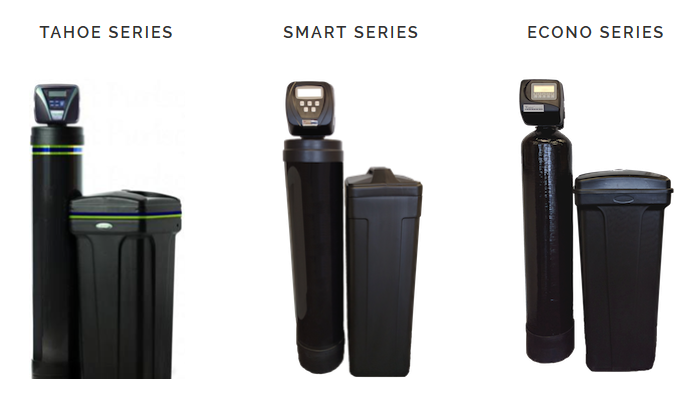
Our locally tuned, Canadian-made water softeners are designed to address these exact problems. We carry multiple series—Econo, Smart, and Tahoe—ranging from 30,000 to 45,000 grain capacity. Each model comes with:

  • High-efficiency programmable controls

  • Reliable performance with minimal salt use

  • Long-lasting warranties (up to 7 years on parts, 5 years on labour)

  • Salt delivery and annual service options

While many softeners on the market use 8% resin, we use premium 10% resin in select models. This provides better resistance to chlorine, longer resin life, and improved durability, especially important for Waterloo Region’s treated municipal water.

That means less maintenance, longer service life, and more value for your investment.

We’ll test your water for free and recommend the best system for your household, not just the most expensive one.

Reverse Osmosis & Whole-Home Filtration

Want clean, great-tasting water straight from the tap? We've got solutions.

Our reverse osmosis (RO) drinking water systems remove up to 99% of contaminants like chlorine, lead, fluoride, and nitrates, giving you peace of mind with every sip. We also offer:

  • Fridge and under-sink filters for added convenience

  • Whole-home dechlorination systems that improve the quality of your bathing and laundry water

  • UV sterilization systems for added disinfection, especially in rural homes with well water

Not sure what kind of filtration you need? Our team can test your water and walk you through your options.

Licensed Plumbing Services

In addition to water treatment, WaterSmart offers full-service plumbing for your entire home.

Our licensed plumbers are trained to handle:

  • Fixture replacements (faucets, toilets, tubs, etc.)

  • Leak repairs and troubleshooting

  • Pipe and drain installations

  • Water heater installs

  • Home renovations and rough-ins

We also specialize in code-compliant installations for Waterloo Region's water softener rebate program, which rewards homeowners for softening only hot water and reducing salt discharge.

Need a plumber you can trust? We're just a phone call away.

3. Why Homeowners Choose WaterSmart

What Sets Us Apart What It Means for You
💧Locally Tuned Products Our systems are built specifically for Waterloo’s hard water—ensuring better performance, less scaling, and longer lifespan. RESULT
🏠Family-Owned & Operated Personalized care from people who live in your community—service from a neighbour you can trust. SERVICE
🎯Rebate-Friendly Installs We help you qualify for Region of Waterloo rebates, reducing upfront costs and promoting eco-friendly water use. SAVE
🤝No High-Pressure Sales We educate, explain, and let you decide—no pushy tactics, ever. TRUST
🌿Eco-Conscious Guidance Advice that helps you save salt, water, and money—like hot-water-only softening where appropriate. SUSTAIN

With so many options out there for water treatment and plumbing, homeowners in Waterloo choose WaterSmart because we offer something different: local expertise, honest service, and solutions that are truly built to last.

Being based in Waterloo means we’re part of a larger effort to protect and improve our local water systems.

From helping homeowners take advantage of water efficiency programs to reducing salt discharge, our team is here to help you make informed, environmentally responsible choices.


WaterSmart Waterloo Since 1994

If you’re ready to experience better water and service you can trust, we’re just a call or click away.

Whether you need a new system, want to upgrade your existing one, or just have questions—our team is here to help.

Thank you for trusting WaterSmart. We look forward to serving your family with the same care we’d give our own.


Excellent service when diagnosing the issue with our current water softener. Paul was very informative with possible solutions and we never felt any pressure to go one way or another with our decision on how to proceed.
— Diane C
 

How to Maintain Your Water Softener for Maximum Efficiency

A water softener is a smart investment in your home’s plumbing, appliance longevity, and water quality. But like any system, it needs regular upkeep to keep working effectively.

This guide walks you through essential maintenance tips to keep your water softener running at peak performance.

  1. Why Water Softener Maintenance Matters

  2. Check Your Salt Levels Regularly

  3. Use the Right Type of Salt

  4. Break Up Salt Bridges

  5. Clean the Brine Tank

  6. Inspect the Resin Bed

  7. Watch for Signs of Trouble

WaterSmart can help if you need expert advice or a professional tune-up - contact us today.


1. Why Water Softener Maintenance Matters

Routine water softener maintenance ensures your system is doing its job: removing excess minerals like calcium and magnesium that cause hard water.

A well-maintained softener can:

  • Prevent scale buildup in pipes, fixtures, and appliances

  • Improve the performance of dishwashers, washing machines, and water heaters

  • Reduce soap scum and spotting on dishes and glassware

  • Improve soap and detergent effectiveness, saving you money

  • Extend the overall lifespan of the softener unit

Without proper upkeep, your system may become inefficient, use more salt and water, or even break down prematurely.

A few simple monthly tasks can help you avoid costly repairs and keep your water consistently soft.

2. Check Your Salt Levels Regularly

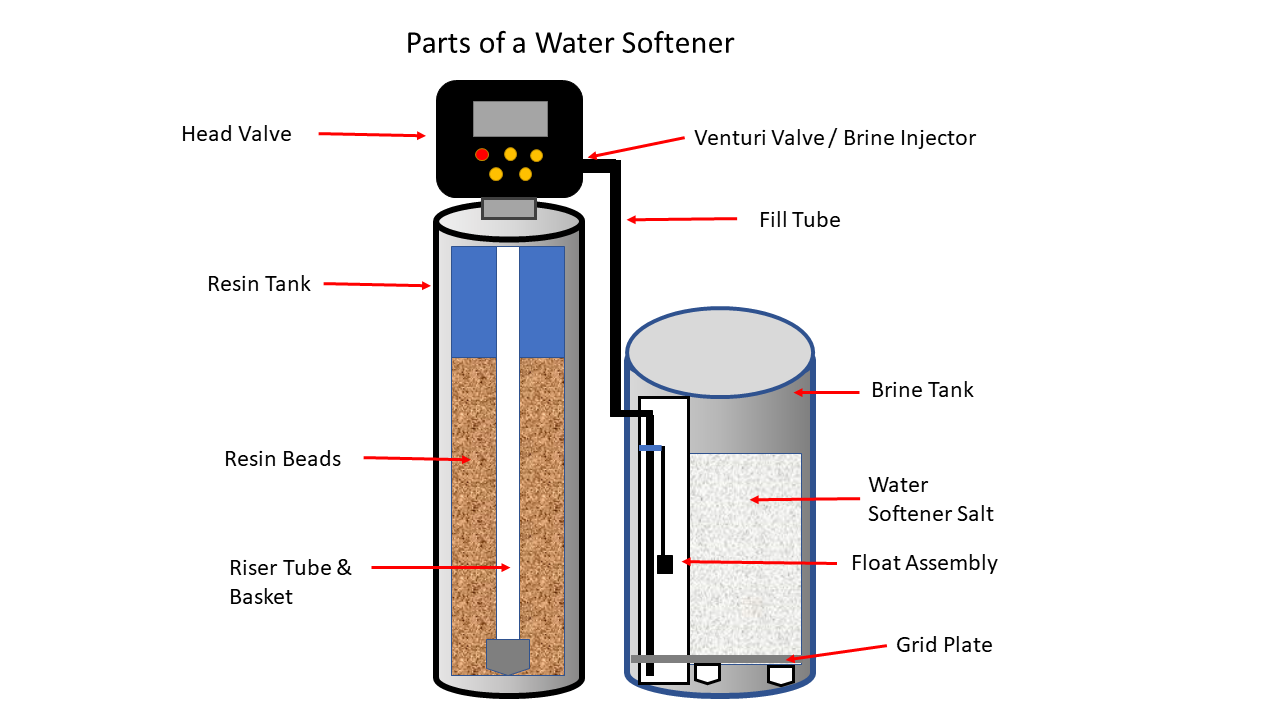
Salt is the lifeblood of your water softener. It’s used during the regeneration cycle to clean the resin beads that remove hardness minerals from your water.

If salt levels drop too low, the system can’t regenerate properly, leading to hard water in your home.

Here's how to stay on top of it:

  • Open the brine tank lid and visually inspect the salt level once a month

  • Refill when the salt drops below half full

  • Aim to keep salt about 3 to 4 inches above the water level

  • Be cautious not to overfill, as this can cause salt bridging (more on that below)

You can also mark a recurring reminder in your calendar or phone so you never forget this quick but crucial step.

3. Use the Right Type of Salt

The type of salt you use directly affects your softener’s performance. Choosing the right one reduces maintenance needs and improves efficiency.

Recommended:

  • Evaporated Salt Pellets: These are highly purified and dissolve well, minimizing residue and buildup

  • Solar Salt: A more natural option that works well in areas with lower water hardness

Avoid:

  • Rock Salt: Although cheaper, it contains more impurities and can clog or damage your system over time

Also, check your softener's manual to see if it specifies a preferred type. Using a poor-quality salt can lead to bridging, mushing, and increased cleaning frequency.

4. Break Up Salt Bridges

A salt bridge is a hard, crusty layer that forms across the top of the salt in your brine tank, creating a gap between the salt and the water below.

When this happens, your softener can’t dissolve salt properly, preventing the regeneration process.

How to identify and break a salt bridge:

  • Use a broom handle or stick to gently press down into the salt

  • If it feels solid or hollow underneath, you likely have a bridge

  • Carefully break it up and remove large chunks if necessary

  • Pour warm water into the tank to help dissolve any clumps

Prevent bridging by keeping the tank in a low-humidity area and avoiding overfilling.

Using high-purity salt helps reduce the chances of a bridge forming in the first place.

5. Clean the Brine Tank

Even with good salt and regular checks, your brine tank can accumulate sludge, sediment, or mold over time.

A yearly cleaning can prevent salt mushing and bacterial growth.

Steps to clean your brine tank:

  1. Turn off your water softener and unplug it if applicable

  2. Remove any remaining salt and water using a scoop and sponge

  3. Scrub the interior using warm water, dish soap, or a soft bristle brush

  4. Rinse thoroughly to remove all soap or cleaning residue

  5. Refill with fresh salt and reconnect the tank

Depending on your water source and salt quality, you may need to clean the tank every 6 to 12 months.

WaterSmart offers brine tank cleanouts if you'd rather leave it to the pros.

6. Inspect the Resin Bed

The resin bed inside your water softener is where the real magic happens. It attracts and holds onto hard water minerals before flushing them out during regeneration.

Over time, resin beads can become fouled by iron, chlorine, or organic matter.

Keep your resin bed in good shape by:

  • Using a resin bed cleaner every 6–12 months (especially if you have high iron levels)

  • Installing a pre-filter if you use well water or have high sediment

  • Monitoring for reduced softening effectiveness—this may mean your resin is breaking down and needs replacement

Most resin beds last 10–15 years with proper maintenance, but keeping them clean extends their life and keeps your water quality high.

Upgrading to a 10% resin water softener may cost a little more up front, but the benefits are substantial, especially over the lifespan of your system.

7. Watch for Signs of Trouble

Your water softener may not come with a warning light, but there are several signs that something's wrong.

Catching these early can save you from bigger headaches later.

Common issues to watch for:

  • Hard water symptoms return (soap scum, dry skin, mineral spots)

  • Water feels slippery or salty after softening

  • Unit constantly running or regenerating

  • Unusual noises or error codes on digital models

  • Low water pressure, especially if the resin bed is clogged

Any of these could indicate a salt bridge, a faulty valve, or worn-out resin beads. If your DIY efforts don’t solve the issue, it’s time to call in a technician.

Regular maintenance may seem minor, but it plays a major role in extending the life of your water softener and keeping your home protected from the damaging effects of hard water.

With the right salt, timely cleanings, and attention to performance issues, you can ensure your system continues delivering soft, high-quality water for years to come.

And remember—when in doubt, WaterSmart is just a phone call or click away.


Call WaterSmart for Professional Help

Sometimes, maintenance goes beyond what a homeowner can—or wants to—do. That’s where we come in.

At WaterSmart Systems & Plumbing, our licensed technicians have decades of experience servicing and installing all types of water softeners.

Whether it’s a quick repair, annual inspection, or complete system upgrade, we’re here to help you protect your investment and enjoy reliably soft water year-round.

We proudly install high-performance, Canadian-made 10% resin water softeners designed to give you cleaner, softer water with less hassle, year after year.

And remember, installation is always free with the purchase of any WaterSmart water softener. In addition, we install our Smart Series water softeners a little differently than the conventional softener to make it more water-efficient.

Contact us today for a free water test or to learn more about the benefits of upgrading to 10% resin.

Your water softener should work as hard as you do - let’s make sure it lasts.


Arrived on time did an excellent job and was fairly priced. I would not hesitate to use them again. Many thanks Watersmart!
— Mick Sayer
 

Home Water Filtration: The Ultimate Guide

When considering a home water filtration system, understanding your options, costs, maintenance needs, and lifespan is key to making the right decision.

Here's a detailed breakdown of the most popular home water filtration systems:

  1. Water Softeners

  2. Reverse Osmosis Systems

  3. Fridge Filters

  4. Tap Filters

  5. Simple Pitcher Filters

At WaterSmart, we’ve been guiding homeowners through this process since 1994—helping them select, install, and maintain water filtration systems that improve water quality and save money long-term.

Contact us today to tap into our expertise.


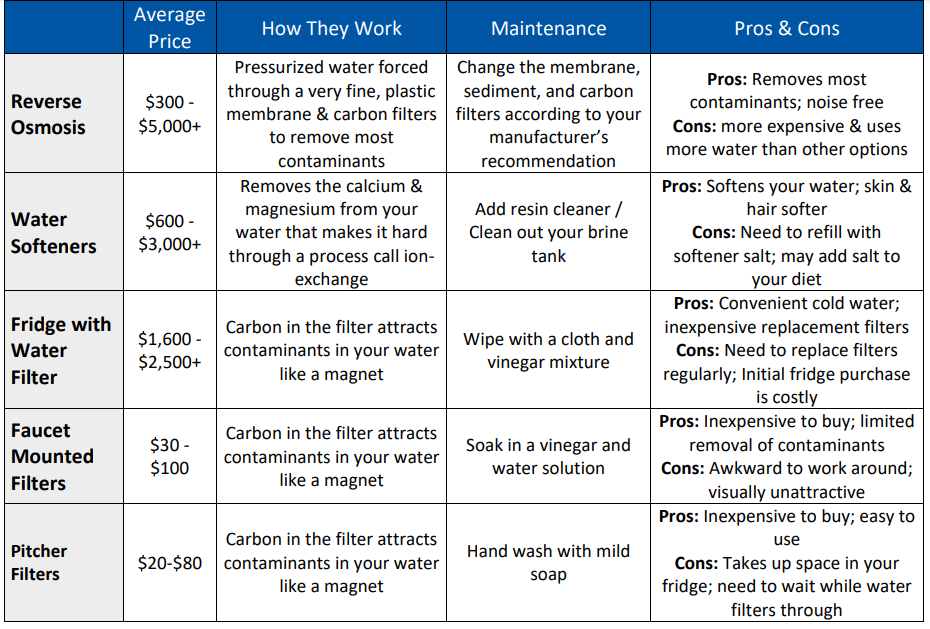
1. Water Softeners

Average Cost (2025): $1,000 - $3,000

Installation: Requires professional installation into the main water line to ensure even treatment across the household.

Life Expectancy: 10 to 15 years, depending on water usage and maintenance.

Maintenance: Refill with salt every 4–8 weeks and schedule an annual check-up.

Water softeners are designed to remove calcium and magnesium, two minerals commonly found in hard water. These minerals can cause a build-up in your pipes and appliances, leading to long-term damage and inefficiency.

By eliminating these minerals, water softeners extend the lifespan of your appliances and help you use less soap and detergent in daily cleaning.

The primary drawback is the need to replenish salt regularly, which adds to the ongoing cost. The more water your household uses, the more often salt must be added.

2. Reverse Osmosis (RO) Systems

Average Cost (2025): $150 - $4,800

Installation: RO systems can be installed under sinks or as whole-home solutions. Professional installation is recommended, especially for larger units.

Life Expectancy: 10 to 15 years. RO membranes typically require replacement every 2–3 years.

Maintenance: Filter replacement every 6–12 months and annual sanitation.

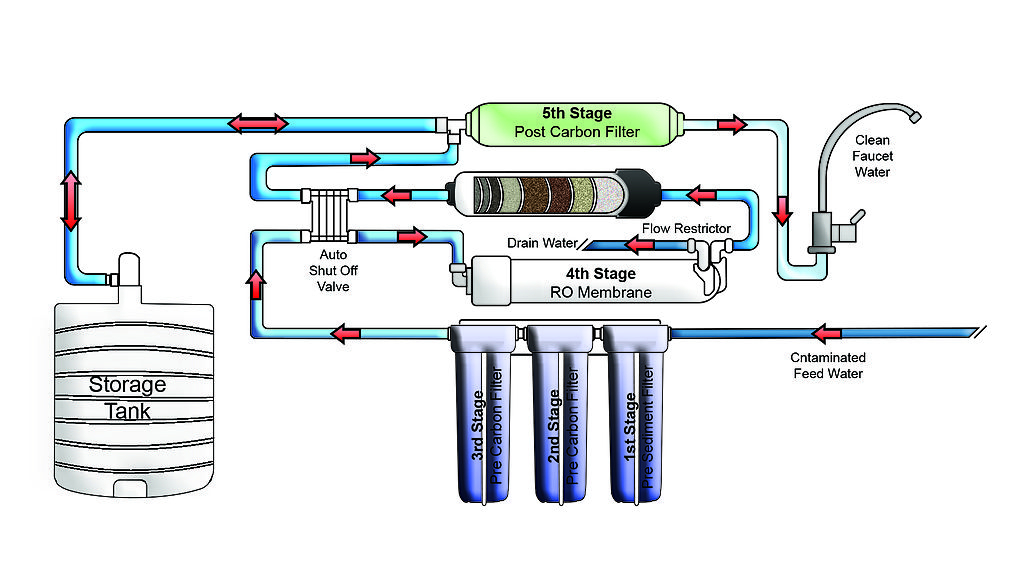
Reverse osmosis systems force water through a semipermeable membrane, removing a wide range of contaminants such as heavy metals, nitrates, chlorine, and even certain bacteria.

This produces cleaner, better-tasting water that won’t contribute to scale in kettles or coffee makers.

While they offer thorough filtration, RO systems are more expensive upfront and use more water than other types.

Additionally, membranes and filters must be replaced regularly for optimal performance.

3. Fridge Filters

Average Cost (2025): $1,600 - $8,000 (includes refrigerator) | $30 - $100 (replacement filters)

Installation: Installed as part of your refrigerator unit. Connection to a water line is required.

Life Expectancy: The filter itself lasts 1–3 months, while the fridge may last 8–15 years.

Maintenance: Replace filters approximately every 1–3 months based on usage.

Fridge filters work by running tap water through activated carbon, which traps impurities and contaminants. It’s a simple, convenient option for families who want fast access to cold, filtered water.

The main downside is the upfront cost of purchasing a fridge with a built-in water filter and the limited range of contaminants it can remove compared to RO systems.

4. Tap Filters

Average Cost (2025): $20 - $100

Installation: Easy to install without professional help. Designed to attach to most standard faucets.

Life Expectancy: 1–2 years for the housing unit.

Maintenance: Replace internal filters every 1–3 months.

Tap filters are a cost-effective way to reduce chlorine, lead, and other contaminants. They are ideal for renters or people who want an easy-to-install solution without modifying plumbing.

However, they can be bulky and visually unappealing. Some may not fit all faucets, especially handheld or spray units. Reduced water pressure is also a common complaint.

5. Simple Pitcher Filters

Average Cost (2025): $20 - $80 | $6 - $10 for replacement filters

Installation: None needed. Fill with tap water and refrigerate.

Life Expectancy: 1–2 years for the pitcher; filters should be replaced monthly.

Maintenance: Replace the filter approximately every 30 days.

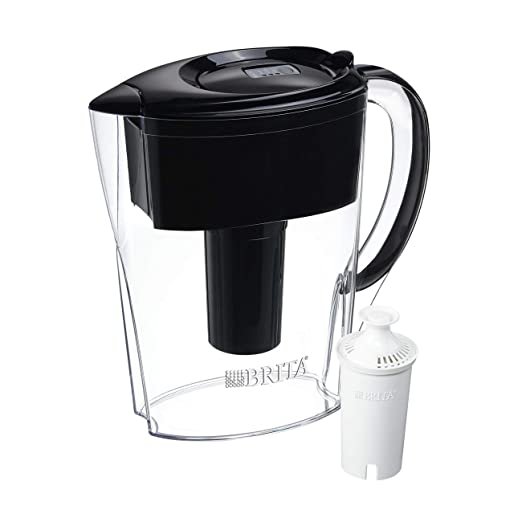
Pitcher filters - like Brita, for example - are easy to use and affordable. They work by passing water through a carbon filter that reduces chlorine and sediment. With no installation required, they are perfect for dorms, offices, and small households.

That said, they have a limited capacity and require you to wait as the water filters through. Frequent refilling and filter replacement can become inconvenient over time.

Here’s a handy chat for your reference when trying to make a home water filtration decision.


How WaterSmart Supports You

Since 1994, WaterSmart has helped homeowners in Kitchener, Waterloo, Cambridge, Guelph, Brantford, and surrounding areas choose and maintain water filtration systems tailored to their needs.

Our expert team will:

  • Test your water to identify specific issues.

  • Recommend the best solution based on your household’s size, water source, and goals.

  • Install your new system professionally and efficiently.

  • Provide ongoing service, including salt delivery, filter changes, and repairs.

  • Answer all your questions and show you how to get the most from your system.

We’re local, experienced, and dedicated to improving your water quality.

Contact us today to get started.


The installation was done very efficient. No messes, went through the operation of the water softener. Friendly and honest. I would recommend to everyone.
— William Miller
 

What Is 10% Resin in a Water Softener - and Is It Worth It?

If you’re looking for a more durable and efficient water softener, you may have heard about the 10% resin water softener. But what exactly does that mean—and is it really worth the upgrade?

In this post, we’ll explain the difference between 8% and 10% resin, explore the benefits of using a 10% resin water softener, and help you decide if it’s the right fit for your home.

  1. What Is Resin in a Water Softener?

  2. What Does “10% Resin” Mean?

  3. Why Choose a 10% Resin Water Softener?

  4. Who Should Consider a 10% Resin Water Softener?

  5. Is a 10% Resin Water Softener Worth It?

We proudly offer 10% resin water softeners built for durability, efficiency, and long-term value. Contact us today to learn more or to schedule a free water assessment.


1. What Is Resin in a Water Softener?

Water softeners work by removing hardness minerals, like calcium and magnesium, through a process called ion exchange.

At the center of that process is the resin bed, a chamber filled with thousands of small beads made from a durable plastic polymer.

Each bead is charged with sodium ions. As hard water passes through the resin bed, the beads attract and hold onto the hardness minerals, releasing sodium in their place. This is what “softens” the water.

Over time, however, resin beads can break down, become less effective, or get clogged with iron, chlorine, or other contaminants.

The better the quality of your resin, the longer your system will run smoothly—and that’s where 10% cross-linked resin comes in.

2. What Does “10% Resin” Mean?

The number in 10% resin refers to the level of cross-linking in the polymer structure of the resin beads. Cross-linking is the process of bonding polymer chains together to make the bead stronger and more compact.

  • 8% resin, the industry standard, has 8% cross-linking. It works well in average water conditions and is typically less expensive.

  • A 10% resin water softener, by contrast, uses resin beads that are 10% cross-linked, making them denser, more chemically resistant, and far more durable.

This higher level of cross-linking means the resin is less susceptible to breakdown from chlorine, iron, and heavy usage.

It's a small difference in formulation that can have a big impact on longevity and performance.

3. Why Choose a 10% Resin Water Softener?

Upgrading to a 10% resin water softener may cost a little more up front, but the benefits are substantial, especially over the lifespan of your system:

Longer Resin Lifespan

Because of its increased durability, 10% resin can last up to 20 years in the right conditions, 5–10 years longer than 8% resin. That means fewer service calls, fewer replacements, and better return on investment.

Better Performance Over Time

10% resin beads maintain their shape and function longer, even in homes with high water usage. You’ll get consistently softened water with fewer drops in performance over the years.

Greater Resistance to Chlorine

Chlorine is added to municipal water supplies to disinfect it, but it can be harsh on softener resin. 10% cross-linked resin stands up better to chlorine exposure, meaning it’s far less likely to degrade or turn to mush over time.

Lower Maintenance and Replacement Costs

While the up-front cost of a 10% resin water softener is slightly higher, you’ll likely save money in the long run by avoiding early replacements, resin bed cleanings, or full system repairs due to resin fouling.

4. Who Should Consider a 10% Resin Water Softener?

A 10% resin water softener is not just a luxury upgrade—it’s a practical choice for many households. You should strongly consider it if:

  • You’re on municipal/city water: City water often contains chlorine and other chemicals that break down standard resin faster.

  • You have a high water demand: Larger families or homes with multiple bathrooms use more water, which puts extra strain on the system.

  • You’ve had issues with previous softeners: If you’ve had to replace or repair your softener sooner than expected, the resin might’ve been the weak link.

The investment in a 10% resin water softener ensures your system can keep up with your home’s needs and won’t wear out prematurely.

5. Is a 10% Resin Water Softener Worth It?

For most homeowners, especially those using city water, a 10% resin water softener is well worth the investment.

It offers greater durability, better protection against chlorine and fouling, and longer-lasting performance.

While the initial price might be slightly higher than a standard unit, the long-term savings in maintenance and replacement costs make it the smart choice for many families.


Ready to Upgrade?

We proudly install high-performance, Canadian-made 10% resin water softeners designed to give you cleaner, softer water with less hassle, year after year.

And remember, installation is always free with the purchase of any WaterSmart water softener. In addition, we install our Smart Series water softeners a little differently than the conventional softener to make it more water-efficient.

Contact us today for a free water test or to learn more about the benefits of upgrading to 10% resin.

Your water softener should work as hard as you do - let’s make sure it lasts.


Great service with very reasonable prices.
— Naresh Sharma
 
Powered By ProfitWorks.ca
" "