drinking water

Home Drinking Water Purification: An Overview

Understanding drinking water purification and softening is essential for maintaining household plumbing, improving taste, and protecting home appliances.

Using Kitchener-Waterloo (KW) as a prime real-world example, this guide outlines why local water conditions create a need for home water treatment, how purification mechanisms work, and the effective solutions available to homeowners.

  1. Why Water Purification & Softening is a Concern (The Kitchener Example)

  2. How Drinking Water Purification and Softening Work

  3. Solutions for Hard and Impure Water

If you’re ready to transform your home’s water quality and protect your plumbing from Kitchener’s hard water, contact the experts at WaterSmart today.


Key Takeaways

  • Local Hard Water Context: Kitchener-Waterloo features the 2nd hardest water in Canada, causing mineral scale buildup, reduced cleaning efficiency, cloudy glassware, and off-tasting drinking water.

  • Softener vs. Filter Difference: Water softeners use ion exchange to swap calcium and magnesium for sodium, preventing pipe damage. Water filters use physical barrier separation, activated carbon, or reverse osmosis to capture chemical compounds, chlorine, and sediment.

  • Targeted Solutions: Comprehensive home water management pairs whole-home water softening for infrastructure protection with specialized drinking water purification systems for clean, fresh-tasting tap water.

1. Why Water Purification & Softening is a Concern (The Kitchener Example)

Water quality varies significantly depending on local geography and municipal supply sources. In Kitchener-Waterloo, groundwater sources pass through rich mineral deposits, making KW home to the second hardest water in Canada.

While municipal water treatment ensures tap water is microbially safe to drink, high concentrations of dissolved minerals (primarily calcium and magnesium) and residual chlorine introduce specific household challenges:

  • Plumbing and Pipe Damage: Dissolved calcium and magnesium crystallize inside pipes, water heaters, dishwashers, and faucets over time. This calcification reduces water flow, lowers heater efficiency, and leads to premature equipment replacement.

  • Unpleasant Taste and Odour in Cooking: Minerals, chlorine, and trace organic compounds alter the natural flavour of drinking water, affecting coffee, tea, soups, and home-cooked meals.

  • Cloudy Dishes and Reduced Soap Efficiency: Hard water reacts with detergents to form mineral scum, leaving cloudy spots on glassware, shower doors, and dining utensils while requiring significantly more soap to produce a lather.

2. How Drinking Water Purification and Softening Work

Addressing home water quality requires distinguishing between water softening (mineral removal) and water filtration (purity and contaminant removal).
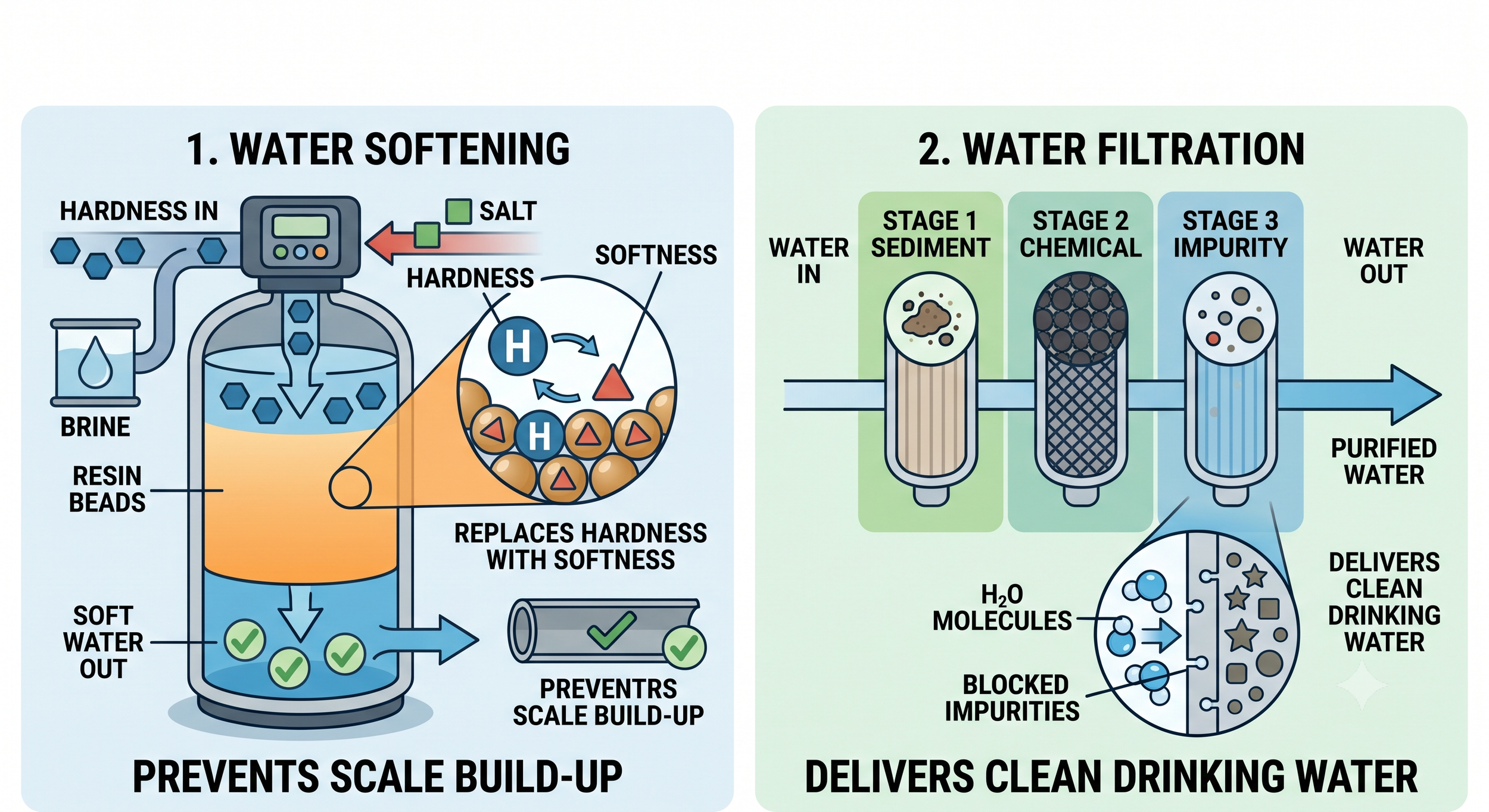
 

Water Softening (Ion Exchange)

Water softeners target hardness minerals rather than dissolved chemical contaminants:

  1. Resin Bed Trapping: Hard water flows into a resin tank filled with negatively charged resin beads pre-loaded with sodium ions.

  2. Ion Exchange: The strong positive charge of dissolved calcium and magnesium ions causes them to cling to the resin, releasing sodium ions into the water stream in exchange.

  3. Regeneration: Salt (sodium chloride) is used periodically to flush the trapped calcium and magnesium off the resin beads, discharging the minerals down the drain and refreshing the system.

Water Filtration & Purification

Drinking water purification targets fine particulates, chlorine, heavy metals, and organic compounds through physical and chemical separation stages:

  1. Sediment Screening: Physical barriers (sand, sediment mesh, micro-porous cartridges) catch suspended dirt, rust, and pipe debris.

  2. Activated Carbon Adsorption: Granular or block carbon attracts and holds dissolved chemicals, chlorine, VOCs, and foul odor molecules.

  3. Reverse Osmosis (RO): Water is pressurized through a semi-permeable membrane with microscopic pores (~0.0001 microns). Pure water molecules pass through, leaving behind dissolved solids, heavy metals, nitrates, and trace impurities.

3. Solutions for Hard and Impure Water

To address hard water damage alongside taste and purity concerns, WaterSmart provides tailored residential equipment that targets both sides of the problem:

System Type Target Issues Primary Mechanism Best Used For
Water Softeners Pipe scale, appliance damage, cloudy dishes, soap inefficiency Ion exchange resin tank with high-purity salt regeneration Whole-home infrastructure protection
Reverse Osmosis (RO) Purifiers Dissolved solids, heavy metals, chemical tastes, micro-pollutants Multi-stage filtration (sediment + carbon + RO membrane) Point-of-use drinking water & kitchen taps
Inline Carbon Filters Chlorine taste, municipal odours, minor sediment Activated carbon block media adsorption Refrigerators, ice makers, and direct faucet lines

By pairing a whole-house water softener to stop calcium build-up with a high-efficiency drinking water purification system at the kitchen tap, homeowners protect their home infrastructure while enjoying crisp, clean drinking water every day.


Protect Your Home & Enjoy Pure Water Today

Take the first step toward cleaner, safer, and softer tap water.

Contact the team at WaterSmart to book your free water inspection and find the ideal system for your household.

Call 519-886-7331 or request your quote online to start enjoying pure, high-quality drinking water straight from the tap.


I liked that when I called I was quoted a price straight up, unlike the first two places I called who said someone would have to come to my house give a quote. Greg was friendly, his price reasonable and my water softener was installed three days later. It took less than an hour for the installation. There was no mess, my water is nice & soft (I use test strips), and I’m quite pleased with this company.
— Julie Mc
 

How to Purify Your Water at Home

There are numerous ways to purify your water right in your own home, ensuring every sip is clean, refreshing, and free from impurities. Here's a comprehensive guide on how to purify water at home using various methods:

1. Basic Filters for Tap Water

2. In-Fridge Jug-Style Filters

3. Larger Brita Filters (Under-Sink or Countertop)

4. Refillable Water Bottles

5. Reverse Osmosis

5. Further Reading and Resources

Whether you're looking for a convenient solution for your fridge or considering a comprehensive purification system, WaterSmart has got you covered. Contact us today.


How to Purify Your Water at Home

Water is the essence of life, a vital component that sustains us every day. But what happens when the water flowing from our taps isn't as pure as we'd like?

From subtle odours to unseen contaminants, the quality of our drinking water can be a concern. Let's embark on a journey to discover how to transform ordinary tap water into a pristine source of hydration and wellness.

1. Basic Filters for Tap Water

  • Types: You can start with basic faucet-mounted filters like those from brands such as PUR or Brita. These filters attach directly to your faucet and can remove common contaminants like chlorine, lead, and sediment.

  • Installation: Installation is typically straightforward and requires no tools. Follow the manufacturer's instructions for proper setup.

  • Maintenance: Replace the filter cartridge as recommended by the manufacturer, usually every 2-3 months or as needed based on usage and water quality.

Purify your water right at the tap.

2. In-Fridge Jug-Style Filters

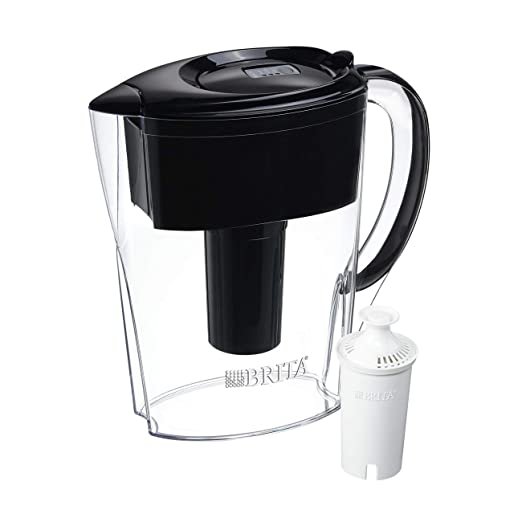
  • Usage: Brita pitchers with replaceable filters are popular for their convenience and effectiveness in improving the taste and odour of tap water.

  • Process: Fill the jug with tap water, and let it pass through the filter into the lower reservoir. The filter removes impurities as water flows through.

  • Filter Replacement: Replace the Brita filter according to the manufacturer's instructions, usually every 40 gallons or 2 months.


Get a Brita pitcher and keep it cold in the fridge.

3. Larger Brita Filters (Under-Sink or Countertop)

  • Installation: Brita also offers larger filtration systems that can be installed under the sink or on the countertop. These systems provide filtered water directly from a separate faucet.

  • Advantages: They offer enhanced filtration capacity and are suitable for households with higher water consumption.

  • Maintenance: Follow the recommended filter replacement schedule for optimal performance.


Purify your water with a countertop system.

4. Refillable Water Bottles

  • Purpose: These tanks are often used in areas where municipal water quality is a concern. You can purchase water from trusted sources and store it in these tanks for drinking and cooking.

  • Considerations: Ensure the tank is regularly cleaned and sanitized to prevent bacterial growth. Use a filtration system if necessary for additional purification.

If you love the taste of bottled water but want to be more environmentally conscious, you could start using more economical and refillable large bottles.

At WaterSmart, we’ve been providing water bottle refill station service to our customers in the Kitchener-Waterloo area since 1994. We provide BPA-free 18L bottles.

We make sure you get the same excellent customer service and high-quality drinking water that we've been offering all of our customers for almost 30 years.


Did you know it takes manufacturers up to 3 litres of water to make 1 litre of bottled water?

5. Reverse Osmosis (RO) Water Purification

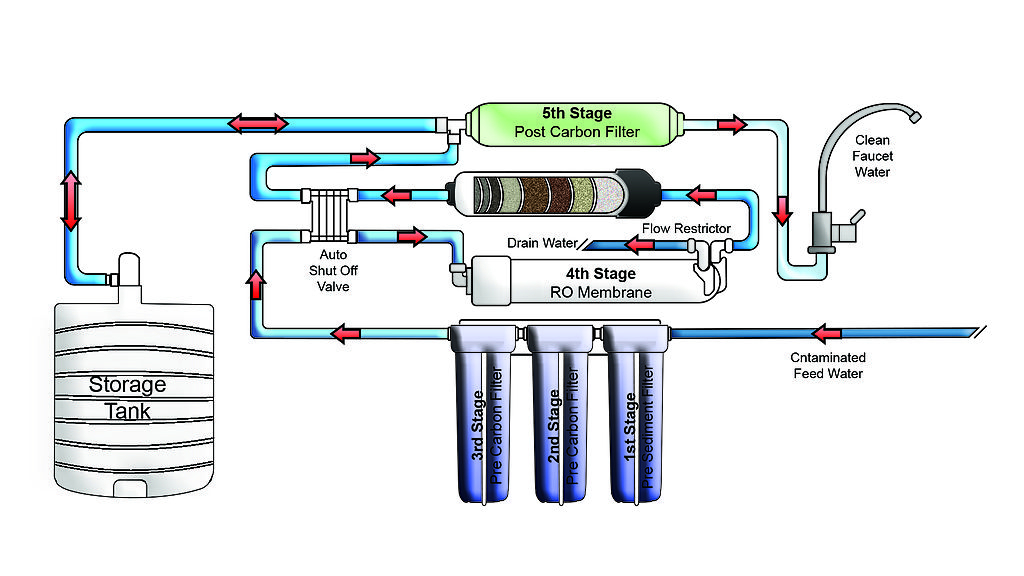
  • Process: Reverse osmosis is a highly effective water purification method that uses a semipermeable membrane to remove contaminants from water. It works by applying pressure to push water molecules through the membrane, leaving behind impurities.

  • Contaminant Removal: RO systems can remove a wide range of contaminants, including heavy metals, dissolved solids, bacteria, and chemicals, resulting in exceptionally clean and pure water.

  • Installation: RO systems typically consist of multiple stages, including pre-filters for sediment and carbon filtration, the RO membrane, and post-filters for final polishing. They can be installed under the sink or as standalone units.

  • Maintenance: Regular maintenance involves replacing pre-filters, the RO membrane, and post-filters according to the manufacturer's recommendations to ensure optimal performance.

  • Benefits: RO water is often considered one of the purest forms of drinking water, making it ideal for households concerned about water quality and taste.

  • Considerations: While RO systems are highly effective, they may also remove beneficial minerals from water. Some models include remineralization stages to address this concern.

  • Resources: Explore Watersmart's range of reverse osmosis systems to find a solution that meets your water purification needs. Link to Watersmart's RO systems page.

Incorporating an RO system into your home can elevate your water quality to new heights.

Reverse osmosis offers a comprehensive approach to water purification, delivering crisp, clean water that's perfect for drinking, cooking, and more.


6. Further Reading and Resources:

By following these steps and choosing the right water purification method based on your needs and water quality, you can enjoy clean and safe drinking water at home.


We Can Help Purify Your Water

We've been providing water services to our customers in the Kitchener-Waterloo area since 1994.

If you need reverse osmosis or any other water system in the Kitchener-Waterloo region, you can trust WaterSmart.

We would be happy to help at a reasonable rate, and we even have financing options if you need a new unit.

Our expert, experienced plumbers will install your new water softener efficiently and at a price that you can afford.

If you purchase a water softener from us, your installation is free!

CONTACT WATERSMART TODAY FOR A FREE QUOTE.

LOCATION:

14-105 Lexington Road, Waterloo, Ontario N2J 4R7
Phone: 519-886-7331


I went in today for the first time to refill 6 jugs for my work. The person who helped me was just so nice, and even carried 5 of the jugs back to my car for me!
— Satisfied customer
 

How Do Brita Filters Work? Water Filter Explanation

How do Brita filters work, anyway? Brita filters have gained popularity for their effectiveness and ease of use. In this guide, we'll delve into what Brita filters are, why water filtration is important, alternatives to Brita filters, and how to obtain filters and services from reputable providers like Watersmart.

1. How do Brita filters work?

2. When is water filtration desirable and what problems does it solve?

3. Alternatives to Brita filters and other water filtration options

Water filtration is a crucial step towards ensuring access to clean and safe drinking water. By choosing WaterSmart, you can enjoy the benefits of reliable filtration solutions tailored to your needs. Find out how.


Water Filter Explanation

1. how do Brita filters work?

Brita filters are innovative water filtration systems designed to enhance the quality and taste of tap water.

They utilize a combination of physical and chemical processes to remove impurities, contaminants, and undesirable substances from water.

Filtration Mechanism:

  1. Activated Carbon: One of the key components of Brita filters is activated carbon, a highly porous material derived from natural sources like coconut shells or coal. This carbon has a large surface area with countless microscopic pores, making it effective in adsorbing (not absorbing) impurities.

  2. Adsorption Process: When water passes through the activated carbon filter, contaminants such as chlorine, sediment, lead, pesticides, and organic compounds adhere to the carbon surface. This process, known as adsorption, traps pollutants and prevents them from passing through, resulting in cleaner and safer water.

  3. Improving Taste and Odor: In addition to removing impurities, Brita filters also improve the taste and odour of water. Chlorine, commonly used in municipal water treatment, can impart a strong taste and smell to tap water. The activated carbon in Brita filters absorbs chlorine and its by-products, leading to fresher-tasting and odour-free water.

  4. Particle Filtration: Along with chemical contaminants, Brita filters also capture larger particles like sediment and rust that may be present in the water supply. This helps prevent these particles from reaching your glass or water bottle, ensuring a visually clear and aesthetically pleasing drinking experience.

  5. Ion Exchange Resin: Some Brita filters incorporate ion exchange resin along with activated carbon. This resin is effective in reducing limescale buildup by exchanging calcium and magnesium ions with sodium ions, thereby softening water and reducing the formation of mineral deposits in appliances like kettles and coffee makers.

Regular maintenance is essential to ensure the optimal performance of Brita filters. This includes replacing the filter cartridge as recommended by the manufacturer (usually every 2-3 months or after filtering a certain volume of water), cleaning the filtration system periodically, and following proper storage practices to prevent bacterial growth.


Brita filters enhance the quality and taste of tap water.

2. When is water filtration desirable and what problems does it solve?

Water filtration is desirable in various situations, such as:

  • Improving Taste and Odor: Filtration enhances the taste and odour of water by removing chemicals and pollutants.

  • Removing Harmful Substances: It eliminates harmful substances like lead, mercury, and bacteria, making water safer to drink.

  • Protecting Appliances: Filtration can prolong the lifespan of appliances like coffee makers and kettles by reducing scale buildup.

  • Health Benefits: Clean water promotes better health by reducing exposure to contaminants that may cause health issues.

Safety concerns related to water quality include the presence of pathogens, heavy metals, and chemicals, which can lead to health problems if consumed regularly.


Water filtration helps address these concerns by providing a reliable method to purify drinking water.

3. Alternatives to Brita filters and other water filtration options

While Brita filters are popular, several alternatives offer similar or enhanced filtration capabilities:

  • Reverse Osmosis Systems: These systems use a semipermeable membrane to remove contaminants, including dissolved salts and minerals.

  • UV Water Purifiers: UV light is used to kill bacteria, viruses, and other microorganisms present in water.

  • Whole House Filtration: These systems filter water at the point of entry into the house, providing clean water for various uses.

  • Faucet-Mounted Filters: Similar to Brita filters, these attach directly to the faucet and provide on-demand filtration.

Choosing the right filtration system depends on factors like water quality, budget, and specific filtration needs.


Getting filters and service from Watersmart

WaterSmart is a reputable company known for its water filtration products and services. To obtain filters and services:

  • Consultation: Contact WaterSmart for a consultation to assess your water quality and filtration requirements.

  • Installation: Upon choosing a suitable filter, WaterSmart will install it professionally, ensuring optimal performance.

  • Maintenance: WaterSmart offers maintenance services to keep your filtration system running efficiently, including filter replacements and troubleshooting.

Expectations for a new installation include improved water quality, enhanced taste, and peace of mind knowing that your water is safe and clean for consumption.


I get my bottled water here and have never had a problem. Always greeted with a smile and lent a hand carrying out the water.
— Brody Peace
 

Distilled Water vs. Purified Water: Know the Difference

Water is a fundamental element of life, and its quality plays a crucial role in our health and well-being. When it comes to choosing water for various purposes, the distilled water vs purified water discussion often comes up. While both are treated to remove impurities, they are not the same.

Powered By ProfitWorks.ca
" "